ADS-B System Overview
Automatic Dependent Surveillance-Broadcast (ADS-B) is a core technology in the FAA NextGen air traffic control system. It offers improved surveillance services, both air-to-air and air-to-ground, especially in areas where radar coverage is ineffective due to terrain, or where it is impractical or cost prohibitive. ADS-B is comprised of three segments for the purposes of providing traffic information: ADS-B (Broadcast), ADS-R (Rebroadcast), and Traffic Information Service-Broadcast (TIS-B).
ADS-B includes the automatic broadcast of position reports by aircraft, surface vehicles, and transmitters on fixed objects. These broadcasts contain information such as GPS position, identity (Flight ID, Call Sign, Tail Number, ICAO registration number, etc.), ground track, ground speed, pressure altitude, and emergency status.
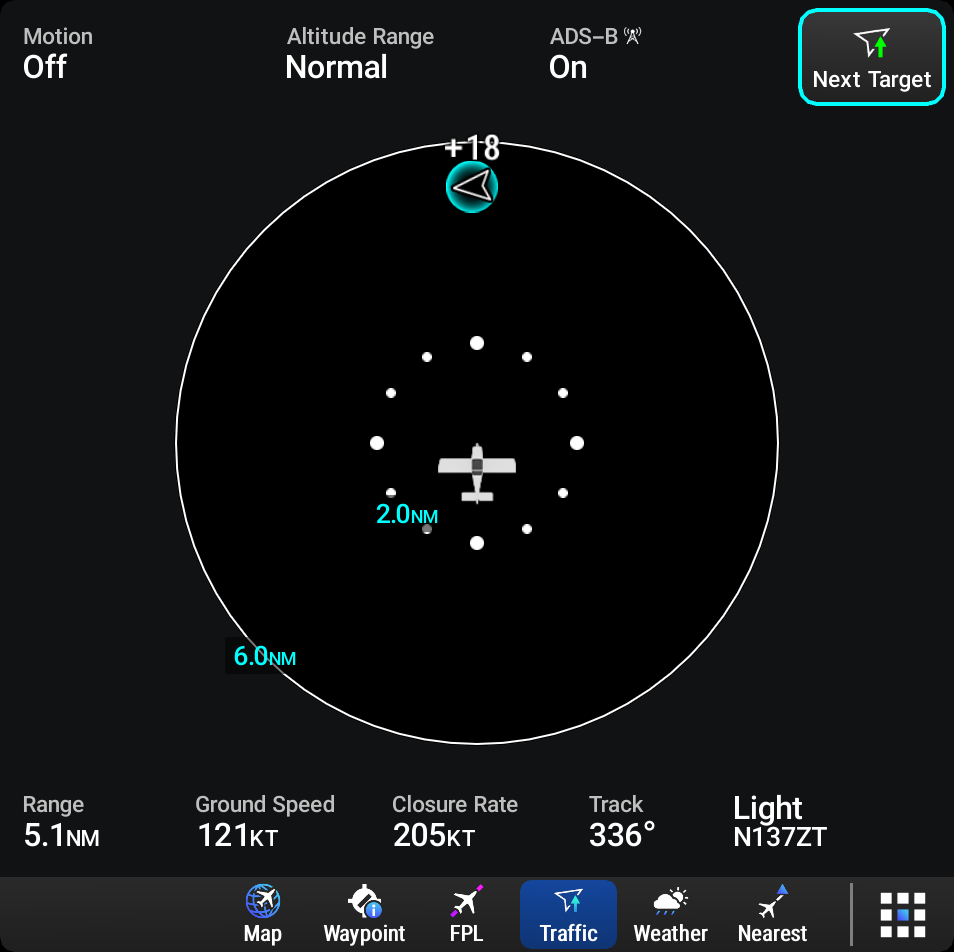
For the purpose of distinguishing between levels of ADS-B service, there are three classifications of aircraft or system capability: ADS-B In, ADS-B Out, and ADS-B participating. ADS-B In refers to the capability to receive ADS-B information. ADS-B Out refers to the capability to transmit ADS-B information. ADS-B participating refers to the capability to both send and receive ADS-B information. Aircraft lacking either ADS-In, ADS-B Out, or both ADS-B capabilities may also be referred to as ADS-B nonparticipating aircraft.
The ADS-B system operates on two frequencies: 1090 MHz and 978 MHz. Both frequencies provide the same traffic information. An aircraft may be ADS-B In, Out, or participating on one or both frequencies, depending on the installed equipment. The 1090 MHz frequency portion of ADS-B is known as 1090 Extended Squitter (1090 ES). The 978 MHz portion of ADS-B is known as Universal Access Transceiver (UAT).